
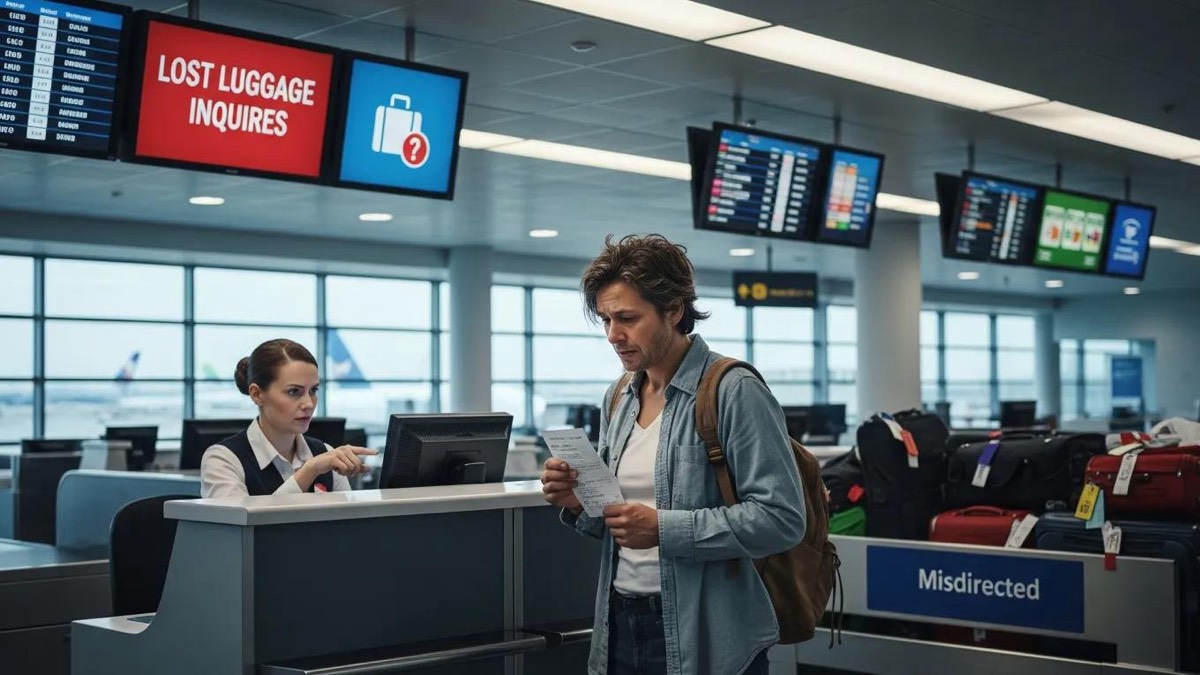
Losing luggage at an airport is one of the most stressful experiences a traveller can face. It disrupts travel plans, causes anxiety, and can lead to significant inconvenience.
Today, this comprehensive guide explains how to report missing baggage, contact airport lost property teams, and recover found belongings with minimal hassle. The guide also answers common questions about claims, compensation, and retrieval processes to help you navigate this challenging situation with confidence.
How Do You Report Lost Luggage at Airports Used by Kent Travellers?
Reporting lost luggage promptly is crucial to increasing the chances of recovery. Airlines and airport lost property teams have separate procedures. Knowing the right route can make reporting and follow-up easier.
Step-by-Step Guide to Reporting Lost Baggage
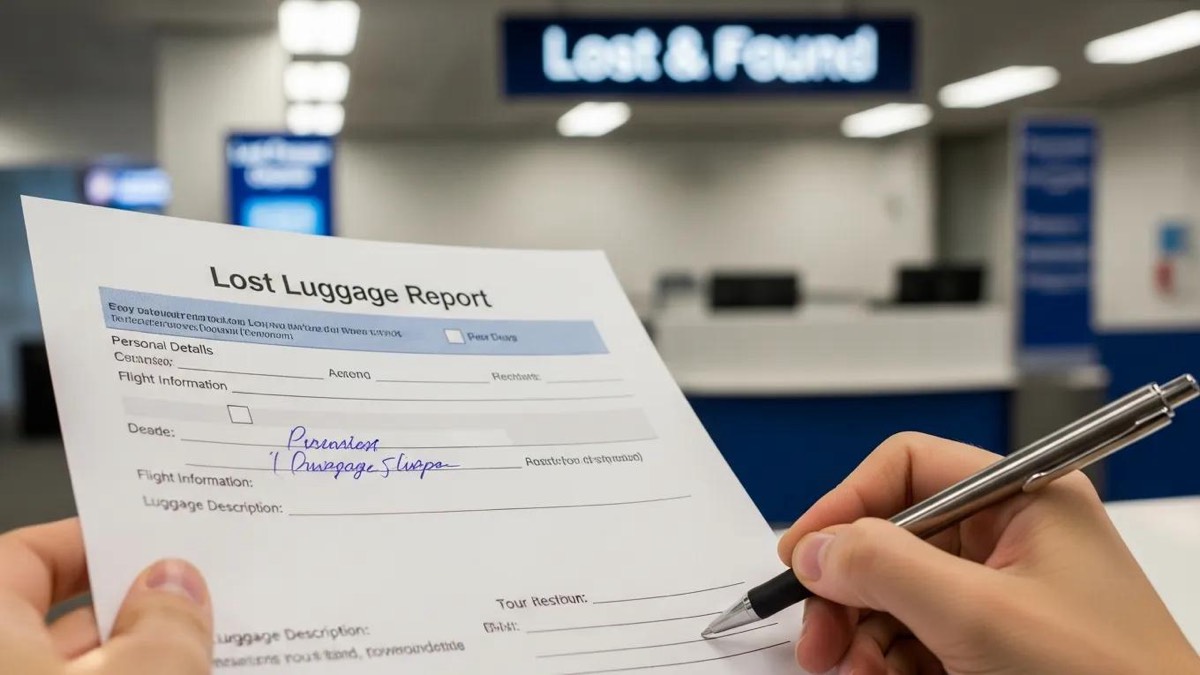
Gather Necessary Information: Before reporting the issue, collect all relevant details such as your flight number, baggage claim ticket, and a clear description of your luggage, including size, colour, brand, and any distinguishing features.
Contact the Right Team: For missing checked luggage, contact your airline before leaving baggage reclaim. For terminal items, use the airport lost property process. Some airports also provide online reporting options.
File a Report: Complete the airline missing baggage report or airport lost property form accurately, providing all requested information. Be sure to keep a copy of the report or a reference number for future follow-up.
Follow Up: Maintain regular contact with the airline or lost property office using your report reference number. Persistence can help keep your case active and improve the chances of recovery.
In addition to these steps, it is advisable to check your airline’s specific lost luggage policies, as they may have additional requirements or procedures.
Key Contact Points for Lost Property Offices at Gatwick and Heathrow
For faster follow-up, use the right official channel. Here are contact pointers for Gatwick and Heathrow, two major airports used by Kent travellers:
Gatwick Lost Property Contact: For items lost in the terminal, use Gatwick’s official lost property guidance and online form. For baggage or aircraft items, contact your airline.
Heathrow Lost Property Contact: Heathrow offers an online lost property database, an online claim process, and phone support for reporting lost items. Their official website provides comprehensive guidance.
Office Hours: Lost property offices operate during specific hours. It is essential to check the published opening times before visiting to avoid unnecessary trips and delays.
Being aware of these contact points and office hours can save time and reduce frustration during the reporting process.
What Are the Procedures for Retrieving Found Items at Airports?
Once your lost item has been located, understanding the retrieval procedures is key to ensuring a smooth and efficient recovery. Each airport may have slightly different protocols, but the general process is similar.
How to Identify and Claim Your Lost Property
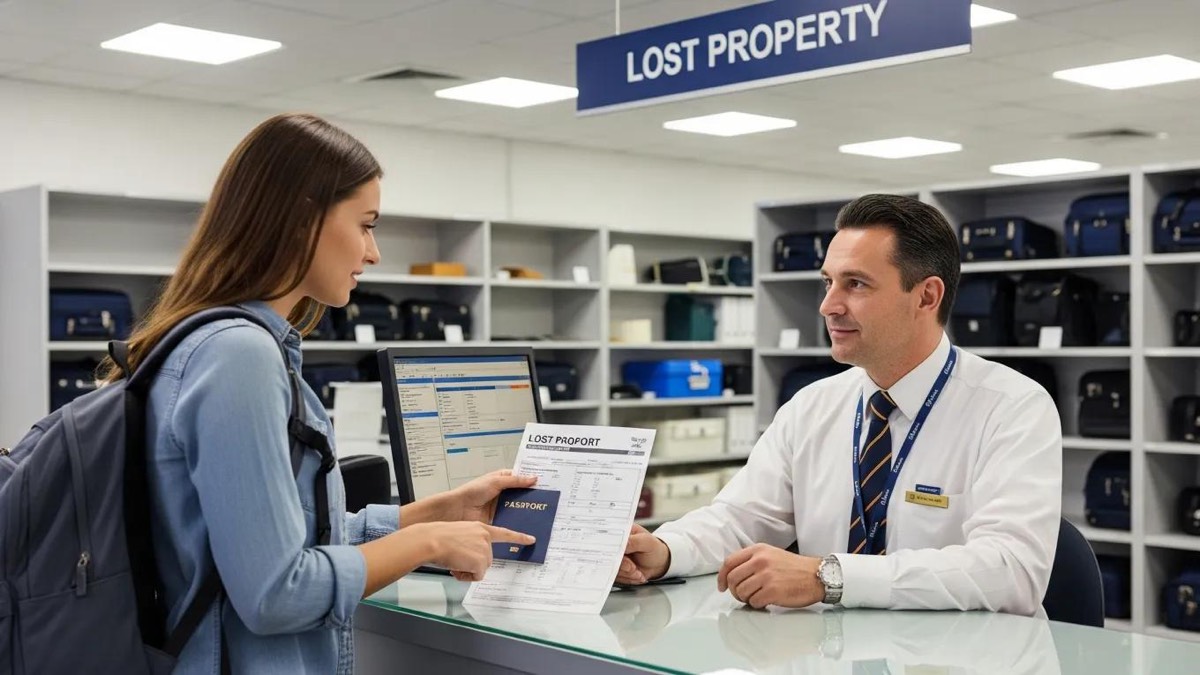
To claim your lost property, follow these essential steps:
Provide Identification: Present valid photo identification, such as a passport or driver’s license, along with any claim documents or reference numbers provided when you reported the loss.
Fill Out Necessary Forms: Complete any additional forms or paperwork required by the lost property office to verify ownership and process the return.
Follow Up on Claims: Stay in regular contact with the office to track the progress of your claim and arrange the collection or delivery of your items.
Some airports may offer options for courier delivery of recovered items, which can be especially helpful if you have already left the airport or are continuing your journey.
Timeframes and Policies for Holding Lost Items
Airports have specific holding periods and policies for unclaimed items, which vary depending on the location and type of item. Understanding these policies can help you act promptly and avoid losing your belongings permanently.
Standard Holding Periods: Typically, airports retain lost items for several weeks to a few months. This period allows sufficient time for owners to claim their property.
Policies for Unclaimed Items: Items not claimed within the retention period may be donated to charity, auctioned, or disposed of according to airport regulations.
Contacting Lost Property Offices: Regularly checking in with the lost property office during the holding period increases the likelihood of successful recovery.
It is advisable to act quickly and maintain communication to avoid missing the window for retrieval.
How MERC Airport Transfers Can Help
MERC Airport Transfers provides airport transfers across Kent to major London airports, including Gatwick, Heathrow, Stansted, Luton, and London City. Our professional team understands the stress that lost baggage can cause and aims to offer reliable support through our luxury transfer options.
Our Commitment to Passenger Support
We prioritise your convenience and peace of mind by ensuring timely pickups and drop-offs, allowing you to focus on resolving your luggage issues without added transportation worries. Our drivers are experienced, courteous, and knowledgeable about local routes, helping you reach your destination efficiently.
How to Book with MERC Airport Transfers
Booking with MERC Airport Transfers is simple and flexible. You can reserve your vehicle online through our user-friendly website or by phone, with options tailored to your schedule and needs. Whether you require a transfer immediately after discovering lost luggage or for subsequent travel arrangements, we are here to assist.
Choose MERC Airport Transfers for dependable, stress-free transportation that complements your journey and supports you through unexpected travel disruptions.
Frequently Asked Questions
What should I do if my luggage is found after I have reported it lost?
If the lost property office locates your luggage after you have filed a report, they will contact you using the details you provided. You will need to verify your identity and present any required documentation to collect your items. It is important to confirm collection arrangements and any return procedures with the office to ensure a smooth handover.
How long does it usually take to recover lost luggage?
Recovery times can vary widely depending on the circumstances. Some luggage is found and returned within a few days, while other cases may take several weeks. Airports use holding periods to manage unclaimed items, so maintaining regular contact with the lost property office is essential for receiving timely updates.
Are there any fees associated with retrieving lost items?/
In most cases, retrieving lost items is free of charge. However, some airports may impose a small storage or handling fee if items have been held for an extended period. It is advisable to check the specific airport’s policy before collection to avoid unexpected costs.
What items are most commonly lost at airports?
Commonly lost items include checked luggage, electronic devices such as phones and laptops, wallets, passports, clothing, keys, and important travel documents. To reduce the risk of loss, keep valuables in your carry-on baggage and ensure all bags are tagged with your contact information.
Can I track my lost luggage online?
Many airlines offer online tracking services through their websites or mobile apps, allowing you to monitor the status of your lost luggage using your baggage claim number and flight details. If online tracking is not available, contacting the airline directly or the airport’s lost property office can provide updates on your case.
What should I include in my lost luggage report?
When filing a lost luggage report, provide thorough and accurate details, including your flight number, baggage claim ticket, a clear description of the luggage (colour, size, brand), any identifying features, and your contact and itinerary information. Detailed reports help lost property teams locate and return items more efficiently, increasing the chances of a successful recovery.